

What Different Concrete Mixes Mean and How to Choose the Right One
Concrete mix design is the recipe your supplier uses to create the right strength, workability, and durability for your project. It tells you how much cement, sand, gravel, water, and additives are blended together. When you understand mix designs, you can order the right product for your slab, driveway, patio, or foundation and avoid costly mistakes.
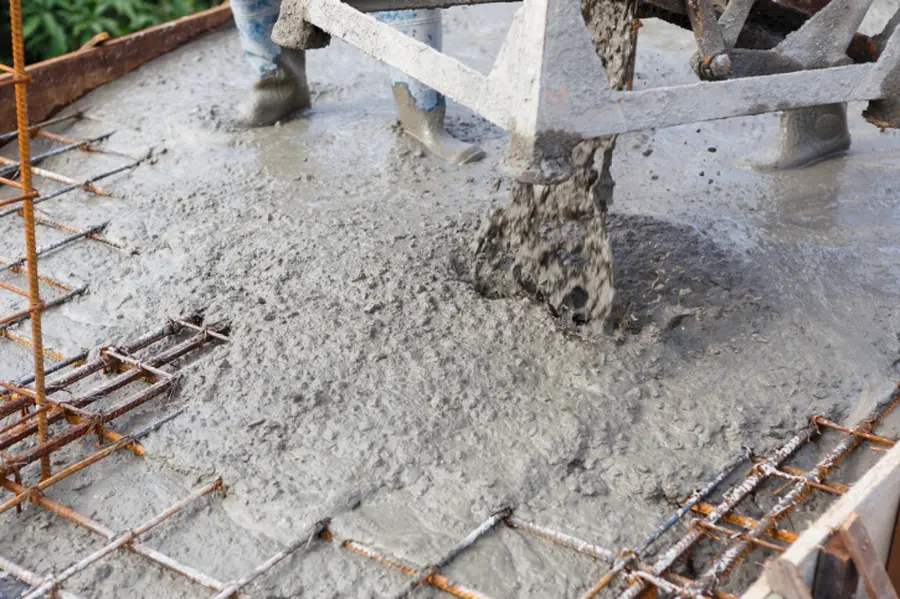
What You Need to Know Before Ordering
Before you call for concrete delivery, have a few basics ready. The more details you share, the better the supplier can match the mix to your job.
- The type of project, such as a driveway or footing
- The thickness of the concrete
- The weight it needs to hold, like cars or heavy equipment
- Weather conditions during the pour
- If you need a smooth finish or extra strength
Suppliers often ask for the PSI rating. PSI means pounds per square inch. It tells you how strong the concrete will be after it cures. For example, a basic sidewalk may use 3,000 PSI. A driveway may need 4,000 PSI or more.
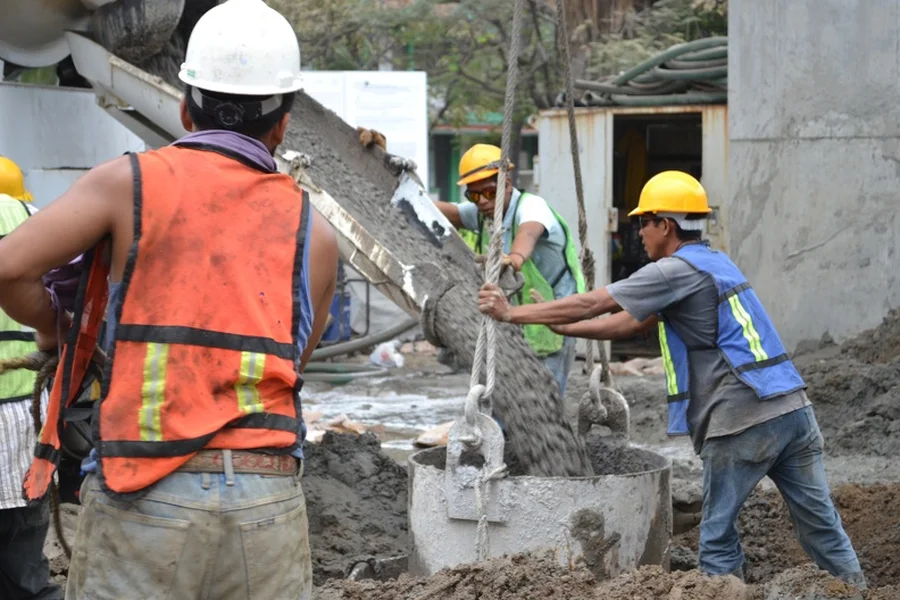
How Concrete Mix Designs Work Step by Step
Each mix is carefully measured. Small changes in the recipe can change how the concrete performs. Here is how the process usually works:
- Select the strength level. This is based on your project needs.
- Choose the aggregate size. Larger gravel works well for thick slabs. Smaller stone is better for detailed forms.
- Adjust the water content. More water makes concrete easier to pour but lowers strength.
- Add special additives if needed. These can speed up drying, slow it down, or improve cold-weather performance.
- Test the mix. Suppliers test slump and strength to confirm quality.
Slump refers to how wet or dry the mix feels. A higher slump means wetter concrete. Wet mixes are easier to spread but may crack if too much water is added. A balanced mix holds its shape while still being workable.
Common Mix Types You May Hear About
When scheduling concrete delivery, you may hear specific terms. Knowing what they mean helps you ask better questions.
- Standard mix: Good for sidewalks, patios, and basic slabs.
- High-strength mix: Used for foundations and heavy loads.
- Fiber-reinforced mix: Contains small fibers that reduce cracking.
- Air-entrained mix: Includes tiny air bubbles for freeze-thaw protection.
If you live in a cold area, air-entrained concrete can help prevent surface damage during winter. For a garage floor that holds heavy trucks, a higher PSI mix may be the better fit.
Common Mistakes to Avoid
Many problems happen because the wrong mix was ordered or handled poorly. Here are mistakes to watch for:
- Ordering a lower PSI to save money
- Adding extra water on-site without guidance
- Not explaining the project clearly to the supplier
- Ignoring weather conditions
- Pouring too thin for the intended use
Adding water is one of the biggest issues. It makes the concrete easier to spread but can weaken the final slab. Cracks, dusting, and surface damage may follow. Always talk with the supplier before changing the mix on site.
When to Call a Professional for Help
Some projects are simple. A small shed pad may only need a standard mix and basic planning. Larger jobs need more care. If you are pouring a foundation, structural footing, or commercial slab, it is smart to consult professionals.
An experienced team can review load requirements, soil conditions, and curing time. They can also help schedule concrete delivery at the right pace so the crew can place and finish the material before it sets.
Timing matters. Concrete starts to stiffen soon after it leaves the plant. Good coordination keeps the job smooth and reduces waste.
Why Understanding Mix Designs Saves You Money
When you know what mix you need, you avoid overpaying for strength you do not need. You also avoid repairs caused by weak or poorly matched concrete.
The right mix design improves:
- Long-term durability
- Resistance to cracking
- Surface appearance
- Load-bearing capacity
- Overall project lifespan
Clear communication with your supplier leads to better results. It also makes concrete delivery more efficient. The driver arrives with a mix that matches your job, and your crew can focus on placement and finishing.
Get the Right Mix for Your Project
If you are planning a project in Tacoma, WA, choosing the right mix design makes all the difference. At Balta Pro Concrete Delivery, we help customers select the proper strength and blend for their needs and schedule dependable concrete delivery to keep projects on track. Call us at (253) 300-2999 to discuss your job, ask questions about mix options, and book your next pour with a team that supports you from start to finish.